Inflation presents new risks for mental health
As of January 2022, inflation was a top concern for a third of Americans, second only to COVID and the general economy.1
The psychological impacts of economic downturns go beyond financial woes. Inflation has exacerbated feelings of hopelessness and burnout in a population that was already emotionally depleted after the COVID pandemic.2
On top of it all, we’re facing substantial uncertainty — when inflation will stop, lingering effects of the pandemic, global politics, climate change, the list goes on. Humans aren’t built for this much uncertainty: we’re wired to eschew ambiguity. It’s not surprising, then, that consumers are seeking a sense of reassurance and rejecting risk whenever possible.1, 3
How brands can respond to inflation — the empathetic way
The way brands respond to inflation can make or break their relationships with customers. Some major corporations have cynically used inflation as a cover for raising prices, at the expense of consumers who were already struggling.4
Other brands have focused on discounts and price cuts to attract customers during inflation. However, new customers attracted by low prices are unlikely to stick around when the economy recovers.5, 6
Instead of focusing on short-term wins, companies need to play the long game. By tapping into insights from behavioral economics and consumer psychology, brands can respond to rising inflation by forging genuine emotional connections with customers.
The noble edge effect can increase public trust
Being honest, open, and empathetic supports public trust.7 The noble edge effect describes how consumers respect the companies that demonstrate a genuine sense of social responsibility.8
In other words, consumers are looking for brands that are willing to put their money where their mouth is — and they’re not easily fooled by corporate bullsh*t, especially when it comes to charged issues like inflation.9

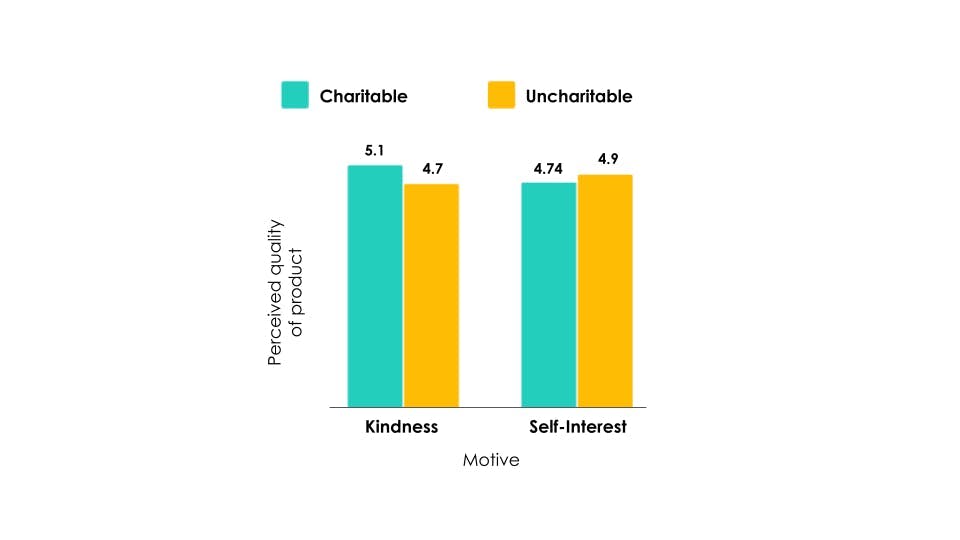
Findings from Coglode Research show how the perceived intentions of a company affect how customers rate the quality of the products sold


behavior change 101
Honesty is the best policy
Transparency is key to combat the uncertainty and distrust that so many consumers are, very reasonably, feeling. In the current wave of inflation and in past economic downturns, leading brands have weathered the storm by being upfront with customers about their products and services.
Example: British furniture designer Neptune added information to their website articulating how they arrived at their products’ price points and linking these decisions to the brand’s core values.9
Focus on value-based innovation
A wide spectrum of consumers will have a wide variety of experiences in response to inflation. Consumers from lower income levels tend to have a greater belief in fate, high sensitivity to feeling “out of control,” lower openness to new experiences, and a prevailing fear of loss.10 In contrast, luxury brand customers are more concerned about avoiding ostentatious consumption.11
Value-based innovations are solutions that exist at the intersection of:
- Brand promise (providing authenic value and nurturing trust)
- Empathy (putting effort into understanding consumer perspectives)
- Action (inspiring and motivating consumers to partake in doable and self-beneficial action)
In practice, this looks like empathetic design: creating goods and services with the consumer’s wellbeing as the top priority. This approach emphasizes consumer wellbeing by acknowledging that inflation causes psychological hardships, and aiming to lessen these affects as much as possible.1
Some empathetic design suggestions:
- Open communication
undefinedundefined - Create pricing guarantees that will bring feelings of security to clients
- Show that the quality of your product will not change with rising costs of production by maintaining quality guarantees and warranties.
Considering consumer well-being in business decisions
Companies must utilize strategies that help consumers alleviate the psychological impact of inflation and economic uncertainty. Connecting with consumers in empathetic and authentic ways not only benefits your brand, it provides comfort in times of distress.