 The Decision Lab
Case study
Increasing Clean Cookstove Adoption through behavioral diagnostics
In Uganda, unsafe cookstoves are a major health risk. We worked with the World Bank to encourage clean cookstove adoption.
01
Overview
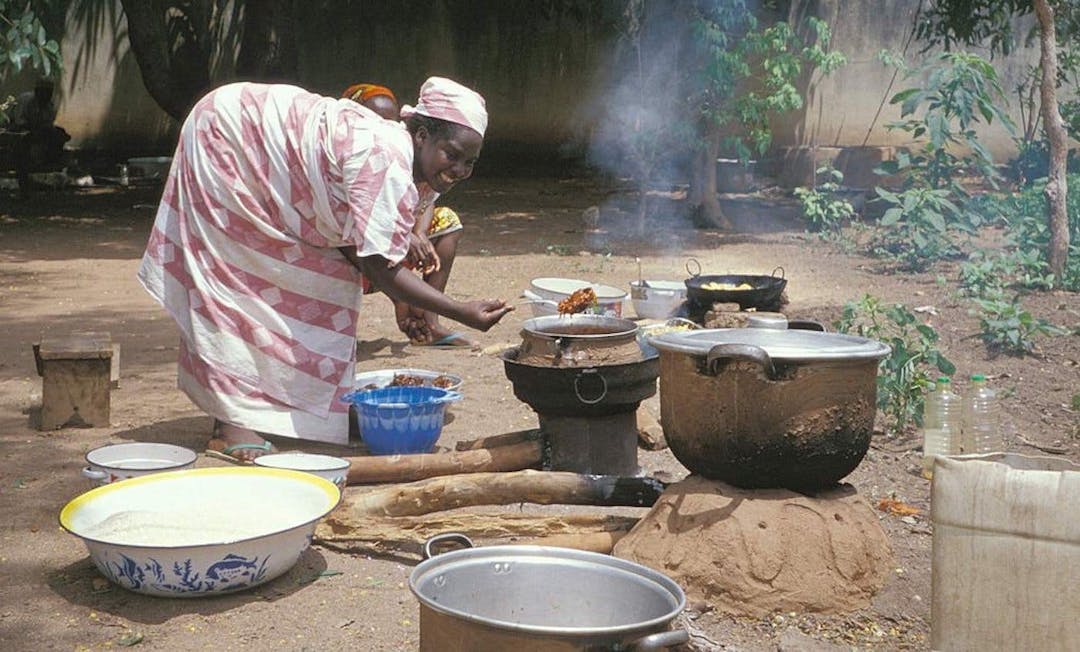
Data from the Organisation for Economic Co-operation and Development show that household air pollution and ambient particulate matter pollution result in over 700,000 premature deaths in Africa each year, making air pollution a deadlier problem than malnutrition, unsafe water, or unsafe sanitation (as of 2013).
Despite the existence of low-cost (less than $10) clean cookstoves that could cut households’ fuel spending by 50 percent and indoor pollution by up to 90 percent, uptake has been slow—particularly in Uganda, where penetration of clean cookstoves remained below 5% as of 2018.
02
The Challenge
The World Bank approached TDL to uncover key behavioral barriers to clean cookstove adoption, as well as factors that inspire sustainable shifts in household behaviors.